Building Smart Campuses: Advancing Higher Education through Media and Information Literacy
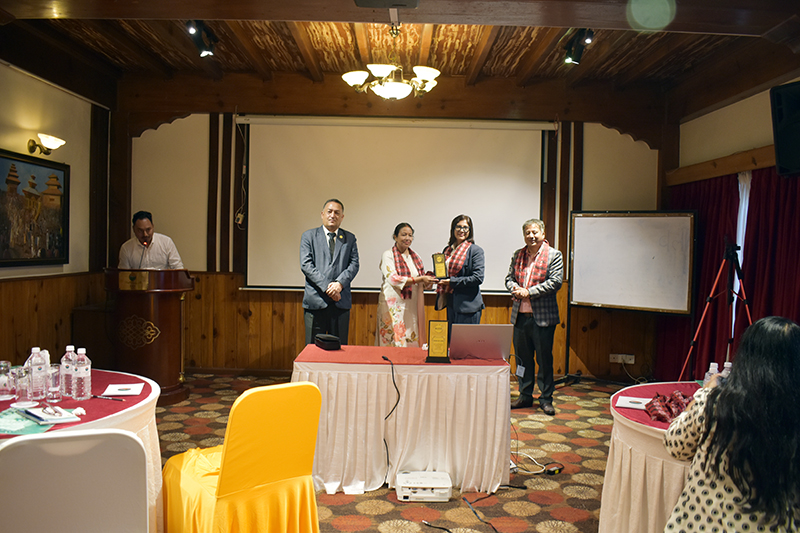
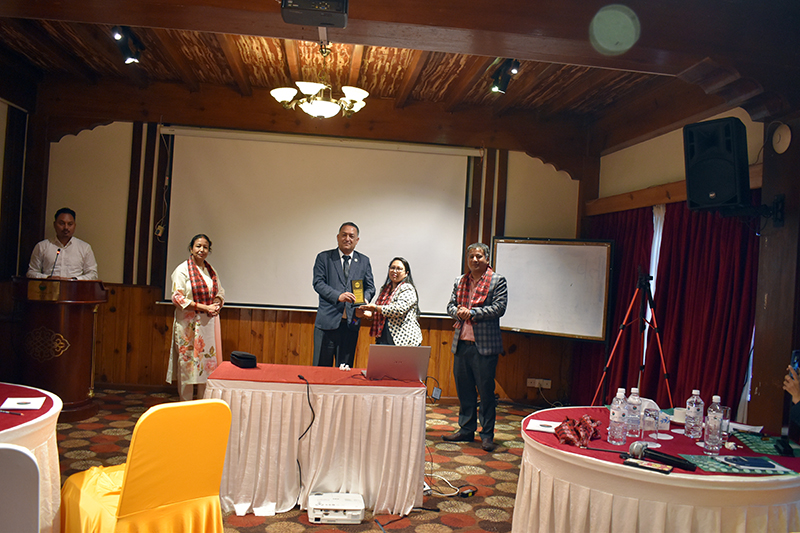
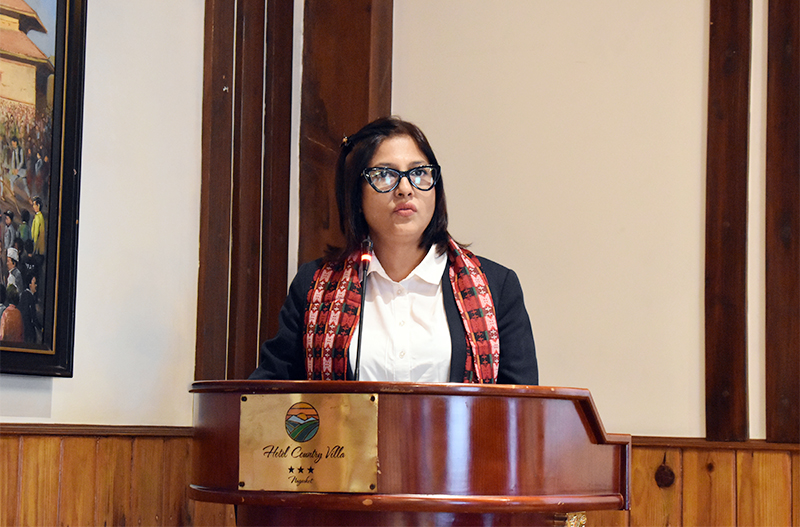
In an era driven by rapid technological advancement and digital transformation, higher education institutions across the world are reimagining the future of learning. The concept of a “Smart Campus” has emerged as a transformative approach that integrates technology, innovation, and digital literacy to create more connected, inclusive, and future-ready educational environments. Recognizing the importance of this transition, Academia International College successfully organized an insightful seminar on “Building Smart Campuses: National MIL Network Initiative for Higher Education” on 10 May, 2026, at Hotel Country Villa.
The seminar brought together educators, academic leaders, students, and professionals to discuss innovative strategies for strengthening higher education institutions through digital transformation and Media & Information Literacy (MIL). The session was facilitated by Prof. Dr. Delara Begum, Chairperson and Professor, Department of Information Studies, East West University, Bangladesh, whose expertise and global perspective added immense value to the program.
Understanding the Need for Smart Campuses
The traditional model of education is evolving rapidly. Modern students require learning environments that not only provide academic knowledge but also foster digital competence, critical thinking, collaboration, and innovation. Smart campuses address these needs by integrating digital technologies into academic, administrative, and communication systems.
A smart campus utilizes tools such as digital learning platforms, smart classrooms, data-driven decision-making systems, online academic resources, and technology-enabled student services to enhance the overall educational experience. More importantly, smart campuses promote flexibility, accessibility, and efficiency in teaching and learning.
The seminar emphasized that smart campuses are not merely about adopting technology but about creating an ecosystem where technology supports meaningful learning, informed decision-making, and academic excellence.
The Role of Media and Information Literacy (MIL)
One of the key highlights of the seminar was the importance of Media & Information Literacy in higher education. In today’s digital world, students are constantly exposed to vast amounts of information through social media, online platforms, and digital networks. The ability to critically evaluate, analyze, and responsibly use information has become an essential skill.
MIL equips students and educators with the capacity to:
- Identify credible and reliable sources of information
- Think critically about digital content
- Use media ethically and responsibly
- Combat misinformation and disinformation
- Develop informed perspectives on global and local issues
The National MIL Network Initiative aims to encourage higher education institutions to integrate media and information literacy into academic culture and institutional practices. Such initiatives help prepare students not only for academic success but also for responsible citizenship in a digital society.
Key Insights from the Seminar
During the seminar, participants explored several important themes related to the future of higher education:
Digital Transformation in Education
The discussion highlighted how digital tools and technologies are reshaping educational delivery systems. From hybrid learning models to virtual collaboration platforms, technology is enabling institutions to expand learning opportunities beyond physical classrooms.
Innovation and Institutional Development
Innovation was identified as a key driver for institutional growth and sustainability. Educational institutions must continuously adapt to changing technological trends and learner expectations to remain competitive and relevant.
Student-Centered Learning
The seminar emphasized the importance of creating learner-focused educational environments where students actively participate in knowledge creation, collaboration, and problem-solving.
Building Collaborative Networks
The role of partnerships and international collaboration was also discussed. Networks such as the National MIL Initiative create opportunities for institutions to share best practices, resources, and expertise across borders.
Academia’s Commitment to Educational Excellence
By organizing this seminar, Academia International College reaffirmed its commitment to innovation, quality education, and academic advancement. The college continues to promote programs and initiatives that encourage critical thinking, entrepreneurship, digital literacy, and professional development among students and educators.
The successful conclusion of the seminar reflects Academia’s vision of preparing students and institutions for the challenges and opportunities of the digital age. As higher education continues to evolve, initiatives focused on smart campuses and media literacy will play a vital role in shaping more resilient, inclusive, and future-oriented academic communities.
Conclusion
The seminar on “Building Smart Campuses: National MIL Network Initiative for Higher Education” served as an important platform for meaningful dialogue and knowledge sharing on the future of education. It highlighted the growing significance of digital transformation, innovation, and media literacy in creating stronger and more adaptive higher education systems.
As educational institutions move toward smarter and more connected learning ecosystems, collaborative initiatives and forward-thinking leadership will remain essential. The discussions and insights shared during the seminar have undoubtedly inspired participants to explore new possibilities for transforming higher education in Nepal and beyond.