Community Visit · Child Welfare
A Visit That Spoke Volumes: Academia International College at Sajha Sahayatri Nepal
A morning of connection, compassion, and candid conversation about the realities facing Nepal's most vulnerable children.
"These children are not statistics. They are our responsibility — as a society, as a system, and as human beings who must choose to act."
— Gita KC Darnal, Chief, Sajha Sahayatri Nepal
On a quiet morning in Lalitpur, students and faculty from Academia International College stepped away from classrooms and into a space that teaches something no textbook can, the lived reality of children who have survived trauma, neglect, and injustice. The destination: Sajha Sahayatri Nepal, a refuge and rehabilitation center for child victims, where resilience and vulnerability coexist.
The visit was more than a gesture of goodwill. It was a deliberate act of empathy, an opportunity for future leaders, academics, and professionals to witness firsthand the world that exists at the margins of Nepal's social fabric.
Welcoming Words from the Ground
The delegation was warmly received by Gita KC Darnal, Chief of Sajha Sahayatri Nepal, whose decades of frontline experience give her words both weight and urgency. She spoke candidly, not with rehearsed diplomacy, but with the directness of someone who has sat with survivors, navigated bureaucracies, and fought for dignity in spaces that often forget it.
Her address to the visiting group touched on four critical dimensions that define the challenge of child protection in Nepal today.
The Issues at the Centre
Girl-Specific Vulnerabilities
Girls face layered threats — trafficking, domestic abuse, child marriage, and exploitation rooted in gender inequality.
Social Strata & Stigma
Caste, class, and geography determine who is protected and who is left behind in Nepal's uneven social landscape.
Nepal's Punishment System
Legal gaps, delayed justice, and lenient sentencing often fail victims and embolden perpetrators.
Social & Emotional Trauma
Survivors carry invisible wounds—shame, fear, and social exclusion—long after the physical harm has ended.
When Social Strata Decides Fate
One of the most striking parts of Gita KC Darnal's address was her unflinching analysis of how social hierarchy determines the treatment of victims in Nepal. Children from lower castes, remote villages, or economically marginalized families are disproportionately vulnerable and disproportionately ignored by institutions that should protect them.
When a child from a privileged family goes missing, communities mobilize. When a child from a Dalit household disappears, the silence can be deafening. This is not a failure of law alone — it is a failure of collective moral imagination.
She urged the students to interrogate the invisible hierarchies they may themselves carry, in assumptions, in language, and in who they advocate for when given the chance.
A Punishment System That Often Falls Short
Nepal has made legislative strides in child protection. but Gita KC Darnal pointed to the chasm between law on paper and justice in practice. Perpetrators from influential families frequently escape accountability. Cases stall in a judicial system burdened by backlogs. Child victims are sometimes re-traumatized by the very process meant to vindicate them. subjected to repeated questioning, social exposure, and a lack of trauma-informed legal support.
"Justice delayed is not just justice denied," she noted. "For a child, it is also hope denied." The call was clear: Nepal needs not just stronger laws, but stronger enforcement, more trained judiciary personnel, and child-sensitive courtroom processes.
The Wounds That Don't Show
Perhaps the most quietly devastating part of the discussion centered on the psychological aftermath of abuse and exploitation. Many of the children at Sajha Sahayatri Nepal carry trauma that is invisible to the eye but profound in its daily impact, including nightmares, social withdrawal, difficulty trusting adults, and a fractured sense of self-worth.
The Chief spoke of the importance of culturally sensitive mental health support—not just therapy borrowed from Western models, but approaches that understand the specific shame, community pressure, and familial dynamics that shape a Nepali child's inner world. Healing, she emphasized, is not linear. It requires patience, consistency, and a community that refuses to stigmatize the survivor.
More Than Spectators
The students from Academia International College did not merely observe. They interacted with the children, playing, listening, and simply being present. In those unscripted moments, something important happened: the children of Sajha Sahayatri Nepal defined themselves beyond their trauma. They were curious, playful, and full of personality.
That, perhaps, is the most important lesson the visit imparted. Behind every statistic about child victimization is a child who laughs, who dreams, and who deserves a future unmarked by what was done to them.
A Call to Carry Forward
As the delegation from Academia International College departed, the conversations did not end. If anything, they deepened, spilling into hallways, group chats, and personal reflections. The visit planted an awareness that cannot be unlearned and a responsibility that cannot be deferred.
Gita KC Darnal and the team at Sajha Sahayatri Nepal continue their work every day with limited resources and unlimited determination. For those who visited, the question now is simple: what will you do with what you witnessed?
"Change does not begin in legislation. It begins in the moment a person chooses to see — truly see — another human being in pain."
Sajha Sahayatri Nepal · Protecting Children, Restoring Futures
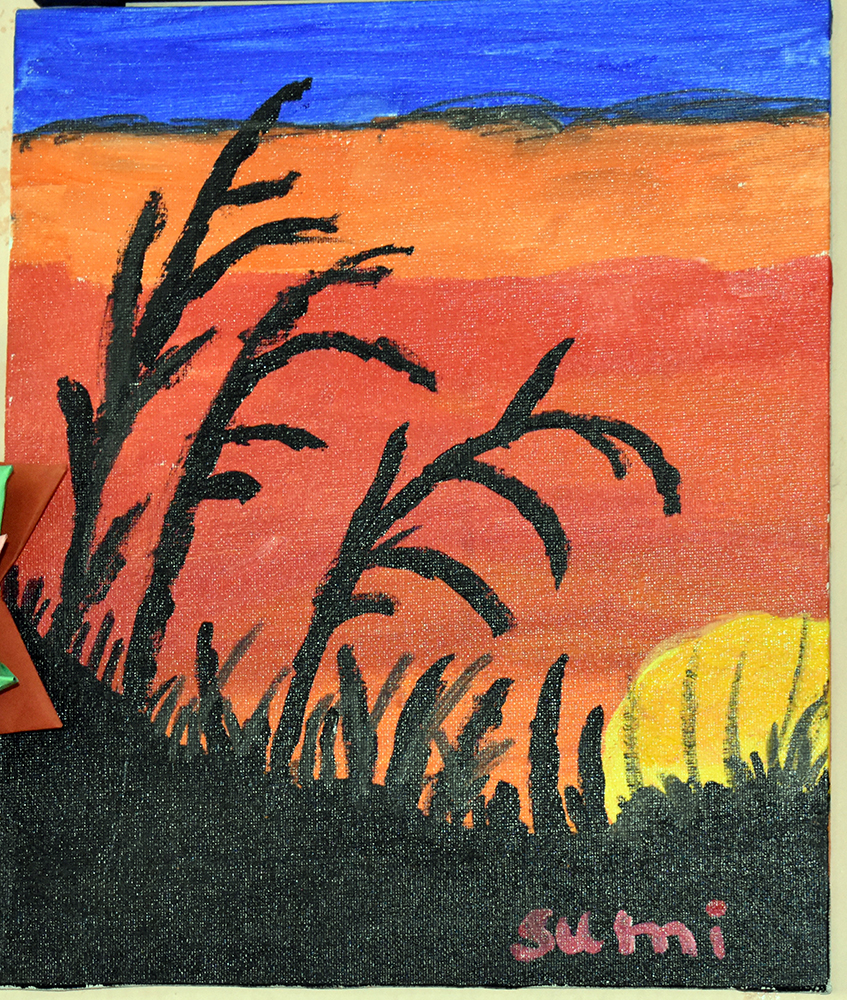
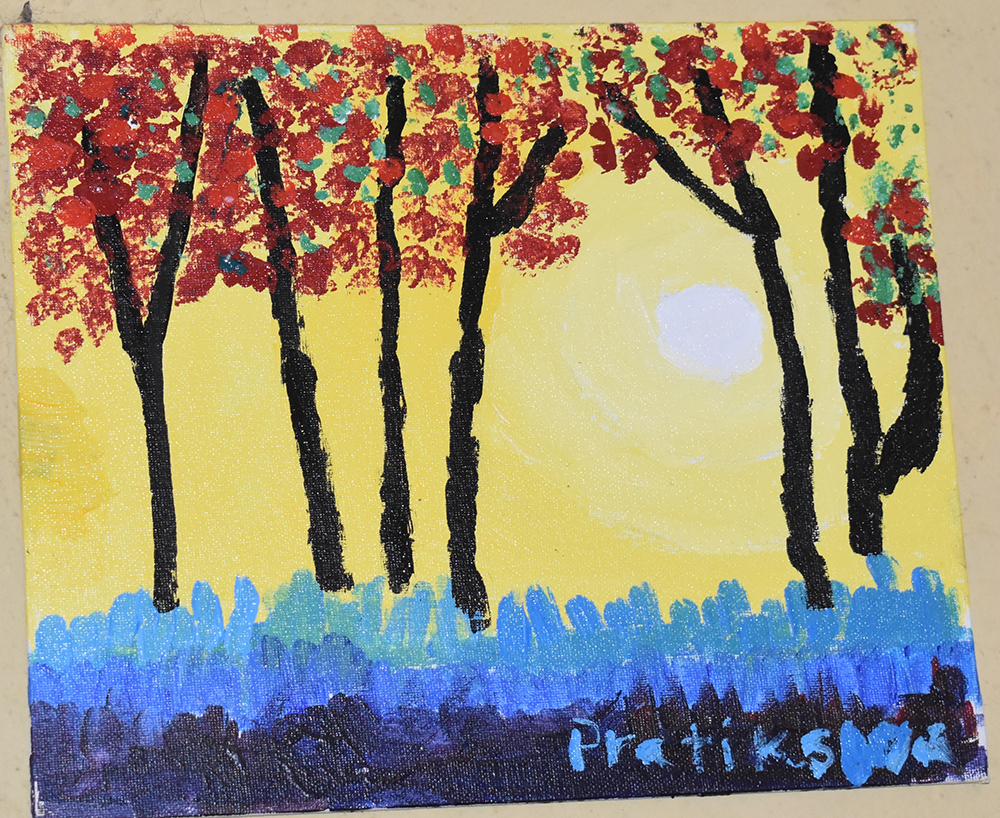
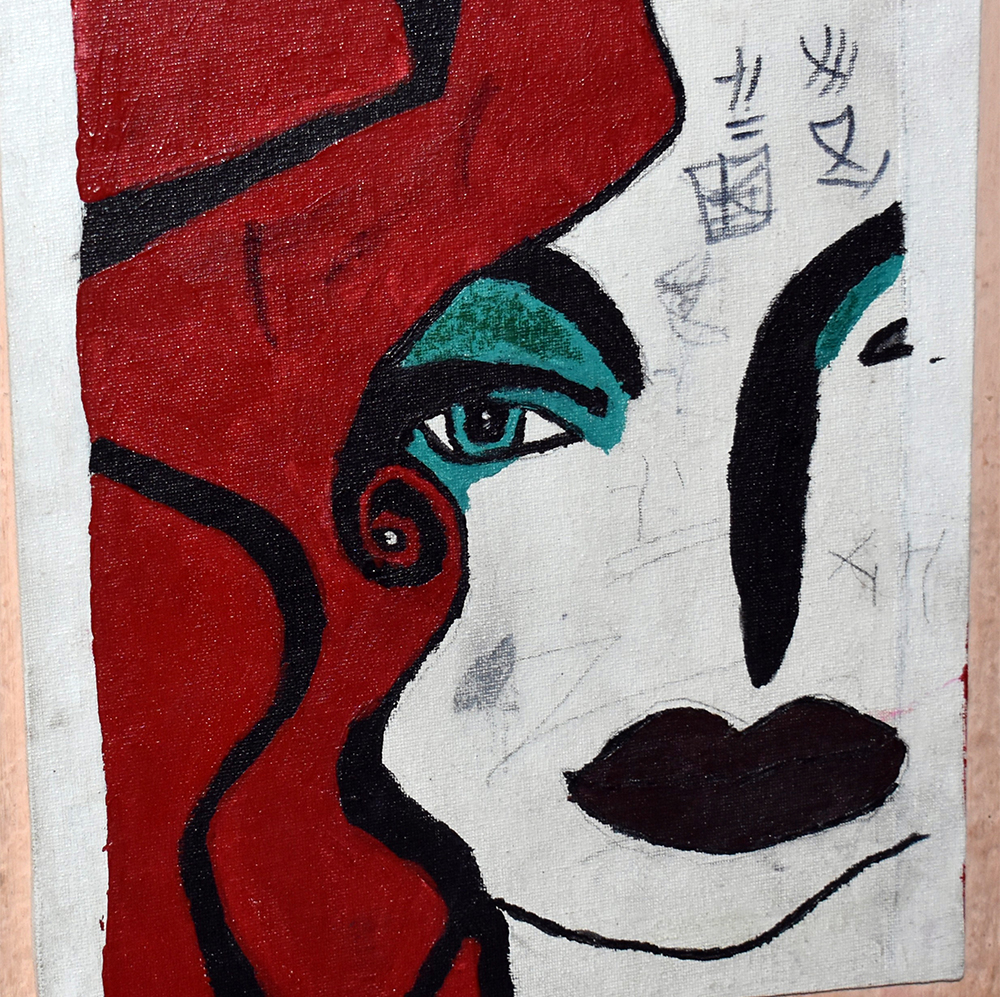
* Pictures are drawn by children of Sajha Sahayatri Nepal.